The Value of Product-on-Model Imagery
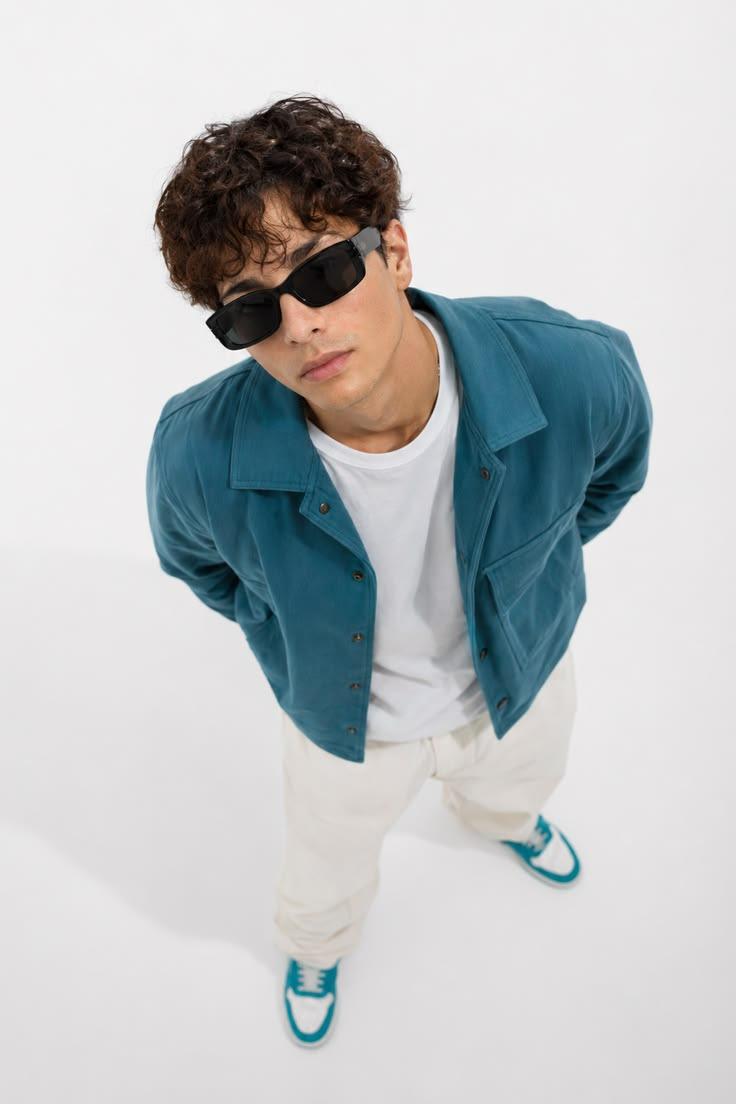
For fashion, apparel, and lifestyle e-commerce, a flat-lay photograph is rarely enough to drive a conversion. Customers need to understand the drape, fit, and proportions of a garment. Product-on-model imagery provides this critical context, significantly reducing return rates and increasing buyer confidence. However, producing these images traditionally is highly complex and expensive.
The Traditional Photoshoot Workflow
A traditional on-model photoshoot involves a staggering amount of logistics. You must cast and book models, hire makeup artists and stylists, rent studio space or scout locations, and coordinate complex schedules. If a garment arrives late from the manufacturer, or a model falls ill, the entire production schedule can collapse.
Moreover, traditional shoots offer limited flexibility. If you shoot a winter jacket in a studio, you cannot easily adapt that asset into an outdoor snowy campaign without scheduling a costly reshoot.
AI-Assisted Workflows: Reducing Complexity
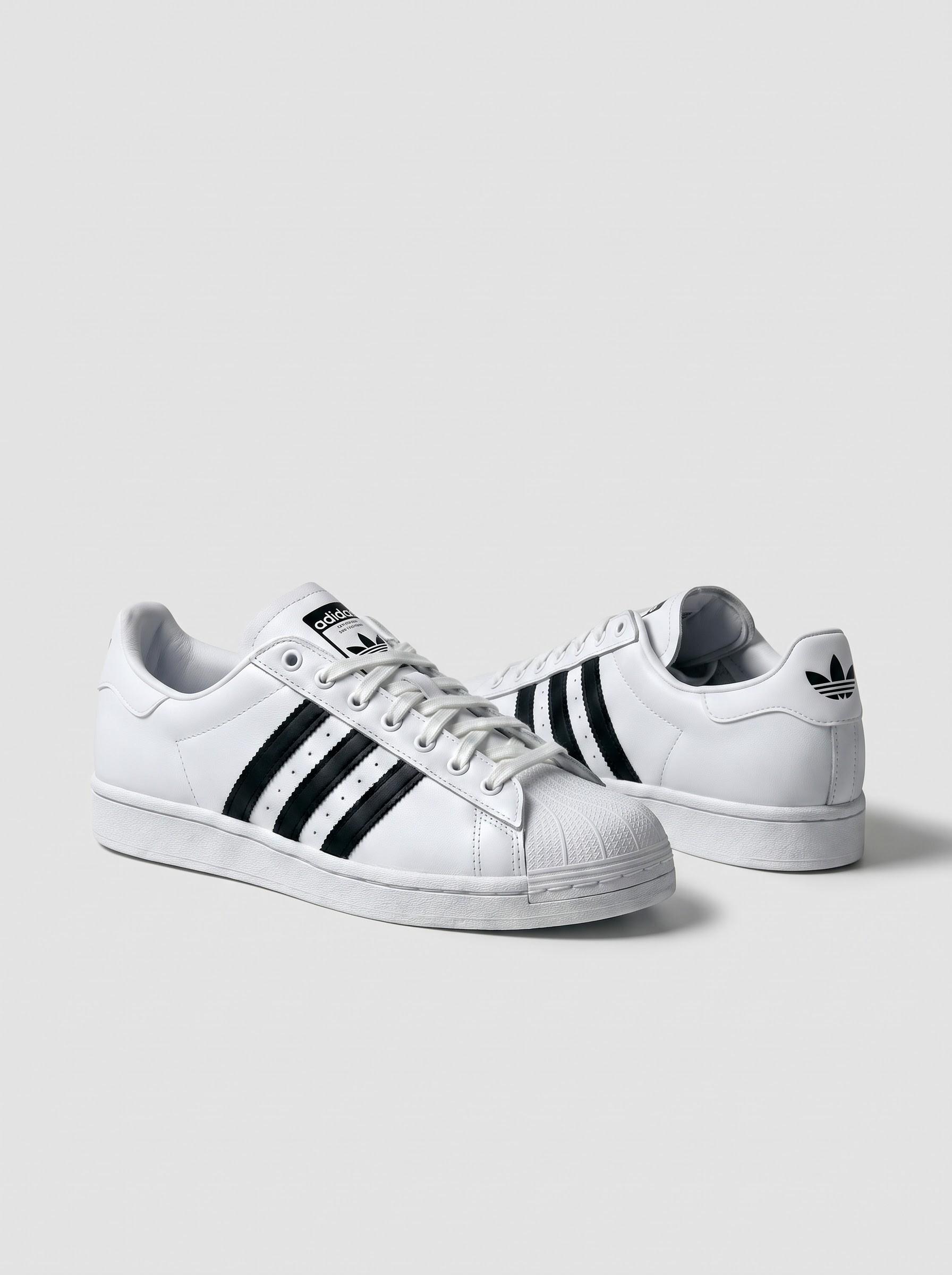
Modern AI-assisted production fundamentally alters this equation. By utilizing virtual models or AI generation, brands can drastically reduce the logistical overhead of catalog production. The process typically begins with a high-fidelity capture of the garment—often on a ghost mannequin or through standard studio lighting.
Once the foundational asset is secured, AI pipelines can drape the clothing onto diverse virtual models, adapting the pose, skin tone, and background context. This allows a brand to showcase a single SKU on multiple body types, catering to a diverse customer base without multiplying the photoshoot budget.
Maintaining Garment Accuracy
The primary challenge in AI model generation is maintaining product truth. An AI model that accidentally alters the cut of a dress or hallucinating a different zipper style will lead to immediate customer returns and brand damage.
Successful implementation requires structured workflows where the AI generates the model and the environment, but the actual garment pixels remain securely anchored to the original photograph. This hybrid approach ensures that the texture, color, and fit presented to the customer are 100% accurate.
Campaign vs. Catalog Imagery
While traditional shoots may still be preferred for high-touch, emotionally driven flagship campaigns, AI-assisted product-on-model imagery is becoming the gold standard for high-volume catalog production. It allows brands to scale their visual output, respond to seasonal trends instantly, and maintain strict consistency across their storefronts.
Streamline your fashion imagery.