The Importance of Marketplace Compliance
When selling across multiple channels—your own Shopify store, Amazon, Etsy, or specialized marketplaces—each platform demands unique specifications for product images. Failing to adhere to these rules can result in suppressed listings, delayed approvals, or simply a sub-optimal visual experience that drives away potential buyers.
General Best Practices vs. Platform Rules
While specific platforms have hard requirements, there is a set of universal best practices that will serve you well across the board. Before digging into platform-specifics, ensure your core assets meet these standards:
- High Resolution Source Files: Always start with the highest resolution possible. You can scale down, but you cannot successfully scale up without losing quality.
- Consistent Padding: Ensure the product occupies roughly 80-85% of the frame, providing enough breathing room without wasting space.
- Clean Naming Conventions: Name your files descriptively (e.g.,
mens-leather-wallet-brown-front.jpg) for internal organization and basic SEO.
Preparing for Amazon
Amazon has notoriously strict guidelines, particularly for the main hero image.
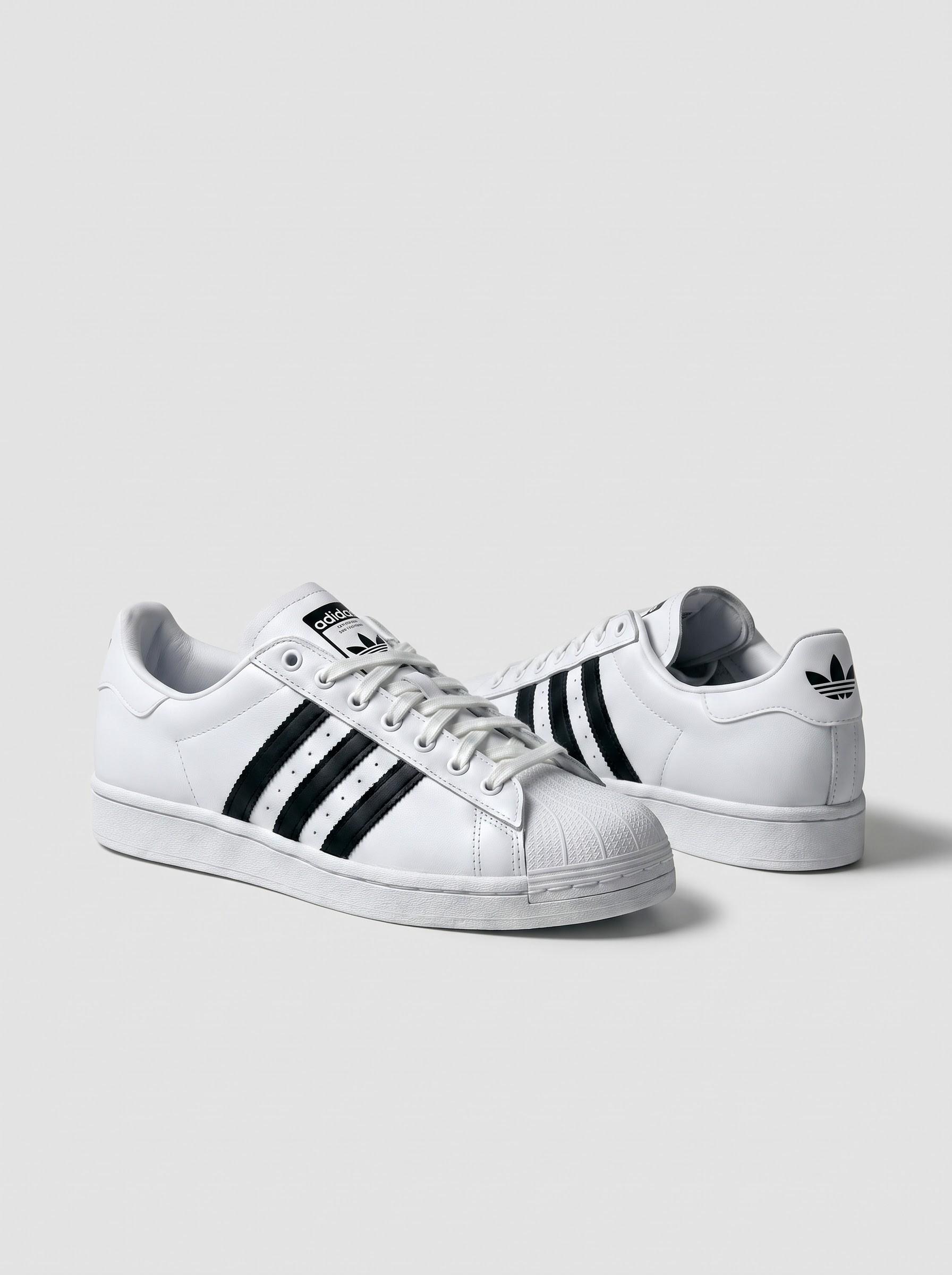
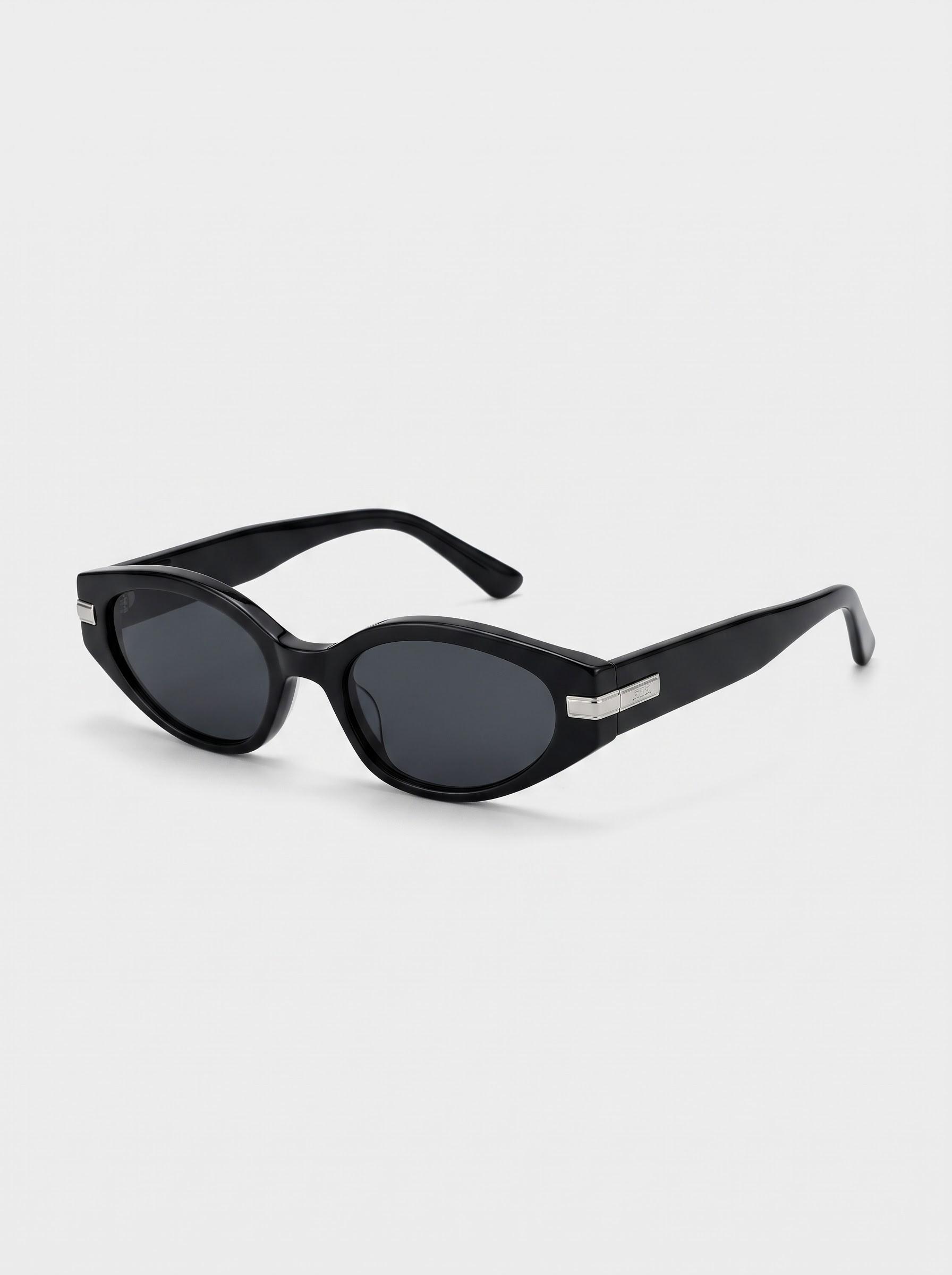
- Pure White Background: The main image must have a pure white background (RGB 255,255,255). No exceptions.
- Product Visibility: The product must fill at least 85% of the image.
- No Props or Text: The main image cannot include watermarks, text, borders, or props that are not included with the product.
- Dimensions: Images should be at least 1000 pixels on the longest side to enable the zoom function, though 1500-2000 pixels is highly recommended.
Preparing for Shopify (Your Own Storefront)
Unlike Amazon, Shopify gives you complete control over your visual aesthetic. The focus here shifts from strict compliance to performance and brand identity.
- Aspect Ratio: Decide on a consistent aspect ratio (e.g., square 1:1, or portrait 3:4) and stick to it across your entire catalog.
- File Formats: Use JPG or WebP for complex photographs, and PNG for graphics requiring transparency.
- Compression: E-commerce themes are heavy. Ensure your images are properly compressed to maintain fast page load speeds. A file size between 100kb and 300kb per image is a solid target.
Pre-Upload Quality Checks
Before clicking upload, establish a final review step. Check the images on a mobile device. Are they legible? Do they load quickly? Using a dedicated Image Quality Checker can help automate this process, ensuring no non-compliant images slip through to your live listings.
Need help preparing your assets?