The Heavy Cost of Slow Pages
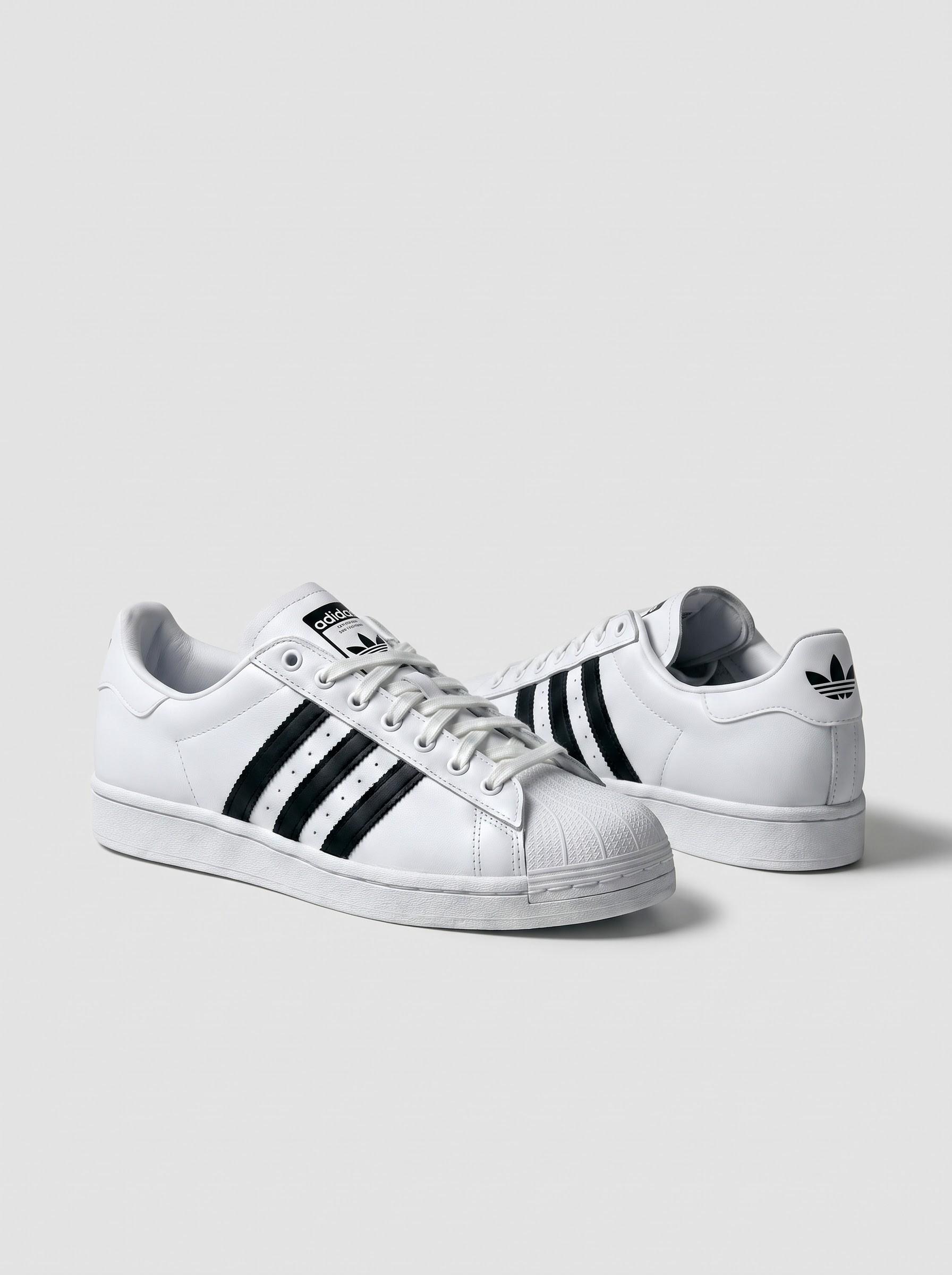
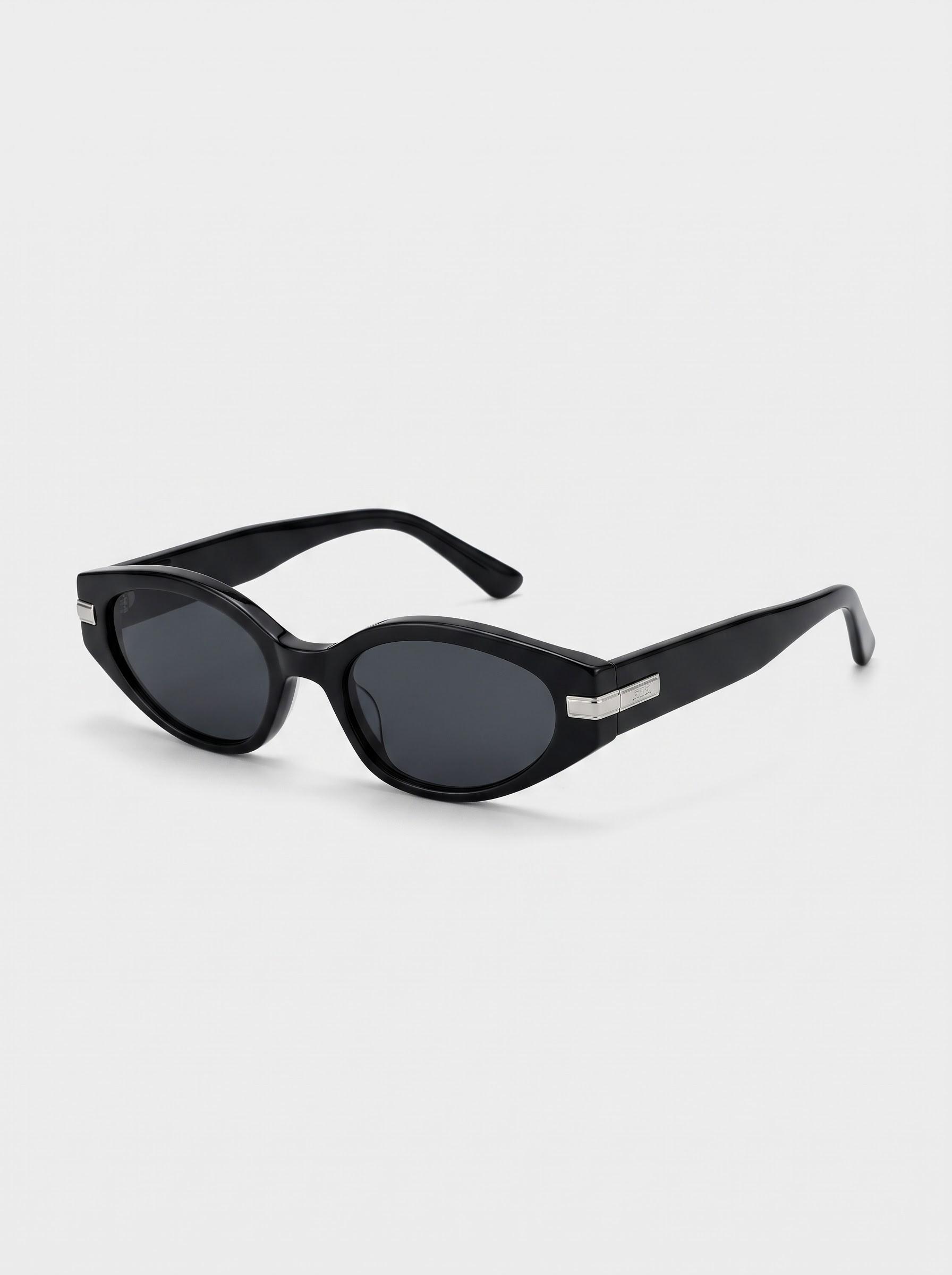
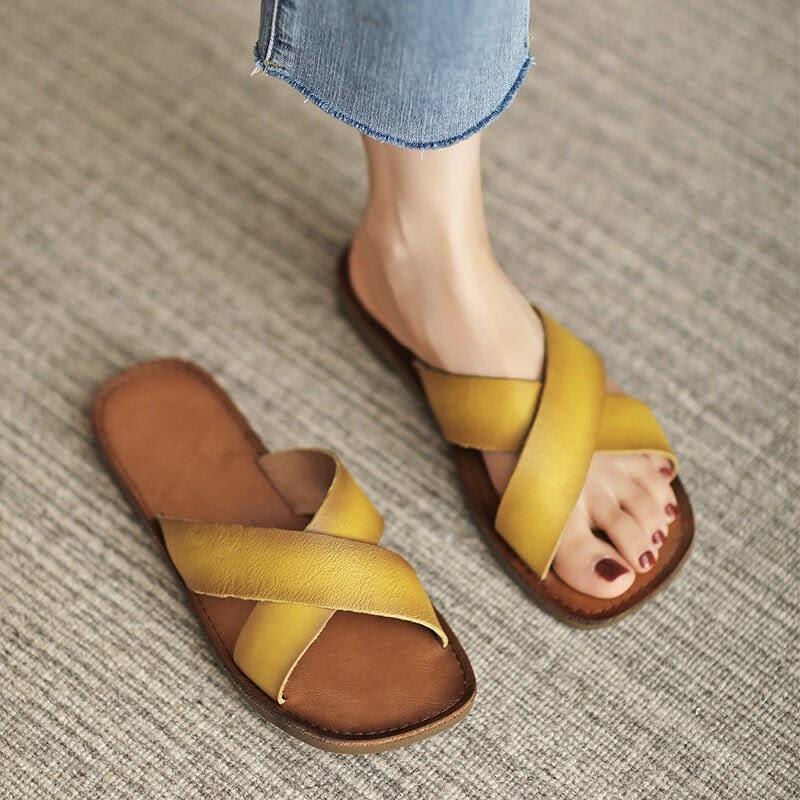
In the competitive landscape of e-commerce, milliseconds translate directly into revenue. When a potential customer clicks on your product link, a timer starts. If the page takes too long to render, they will bounce back to the search results. And the most common culprit for a slow-loading e-commerce site? Massively oversized, uncompressed product images.
The Relationship Between Quality, Size, and Speed
E-commerce managers face a constant tug-of-war. On one hand, you need high-resolution images so customers can zoom in and inspect fine details. On the other hand, a 5MB image file will severely degrade page load times, especially for users on mobile networks.
The goal is to find the optimization sweet spot: reducing the file size (in kilobytes) as much as mathematically possible without introducing noticeable visual artifacts or pixelation to the human eye.
Compression Strategies
Proper image optimization is a multi-step process. It is not just about moving a "quality" slider down to 50%.
- Correct Dimensions: Never serve a 4000x4000 pixel image if the maximum display size on your website is 800x800. Resize the image to match its actual display container.
- Modern Formats: Transitioning from legacy formats like standard JPG to modern, highly efficient formats like WebP or AVIF can yield file size reductions of 30% to 50% with zero loss in perceived visual quality.
- Responsive Images: Implement
srcsetin your HTML to serve appropriately sized thumbnails to mobile users, reserving the high-resolution files only for desktop users or when the zoom function is activated.
Mobile Performance is E-commerce Performance
With mobile commerce representing a massive share of total transactions, your image strategy must be mobile-first. A 2MB image might load reasonably well on a desktop broadband connection, but it will stall on a 4G mobile network. Compressing and resizing your assets ensures a frictionless browsing experience, keeping the customer engaged and moving toward the checkout.
Optimize your images without losing quality.