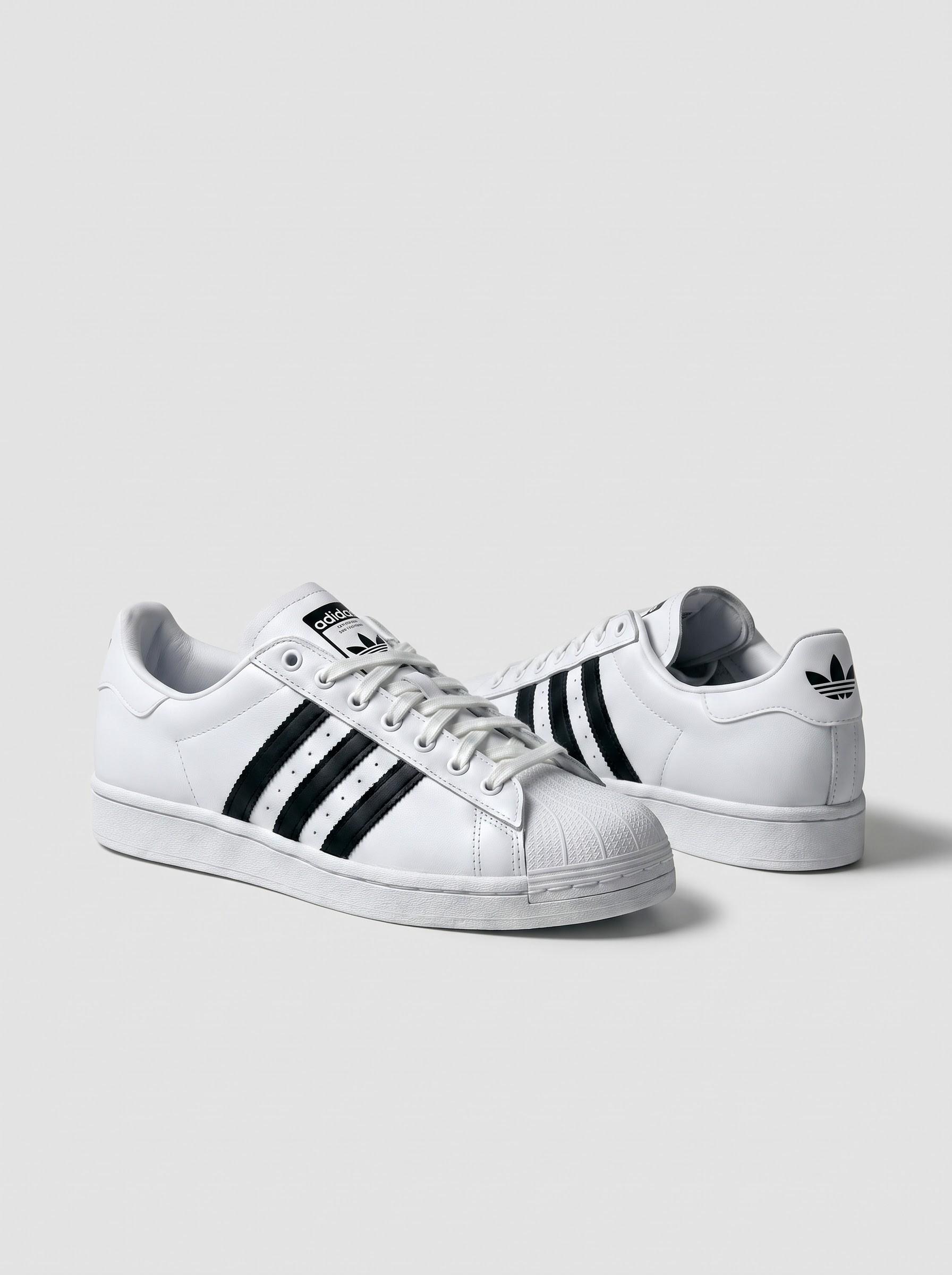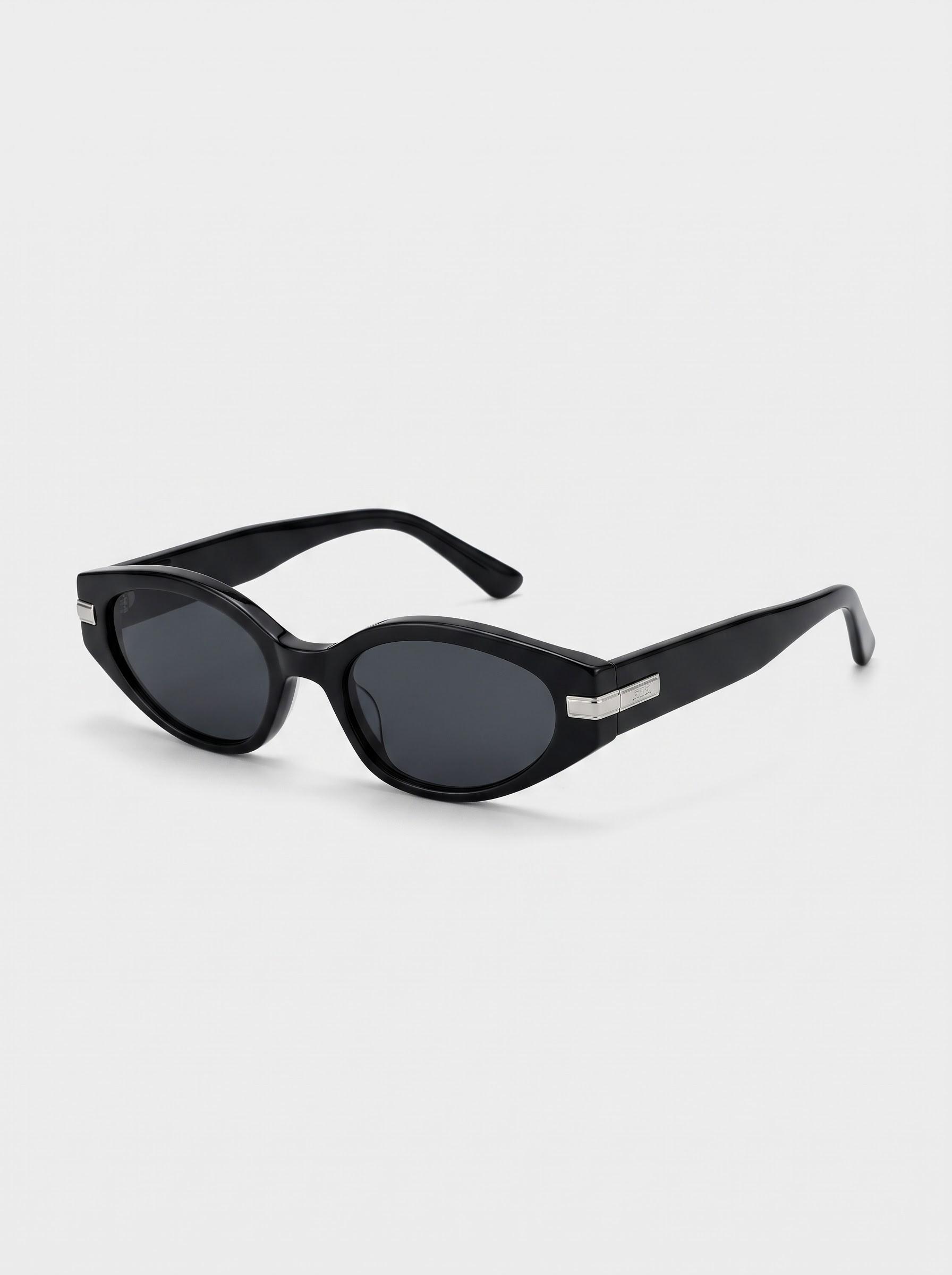
An e-commerce image can look impressive and still fail commercially. Why? Because e-commerce imagery has a job.
It needs to help customers understand the product and make a purchasing decision.
Start With the Product
The product should remain the visual priority. Ask:
- Can customers clearly understand what they are looking at?
- Can they see important details?
- Does the image accurately represent the product?
- Is the product easy to understand from multiple angles?
These questions should come before decorative decisions.
Use Different Images for Different Jobs
A strong product page can use several visual formats.
The hero image creates the first impression. Detail images communicate construction and material. Alternative angles provide additional information. Lifestyle images provide context. Product-on-model imagery communicates fit and styling.
Together, they create a more complete product story.
Consistency Builds Trust
Customers notice visual inconsistency. When every product has different framing, scale, lighting, and presentation, the store can feel less organised.
A consistent visual system creates a stronger shopping experience.
Creative Direction Still Matters
AI can make production faster. It cannot automatically decide what the brand should communicate.
Someone still needs to determine:
- What should the customer notice first?
- What visual language represents the brand?
- What should the image communicate?
- How should the product be presented?
That is where creative direction becomes important.
The GROTON AI Studio Approach
GROTON AI Studio combines AI-powered production with creative direction and quality control.
The goal is straightforward: Better product presentation without unnecessary production complexity.
The best e-commerce image is not necessarily the most artistic image. It is the image that helps customers understand, trust, and want the product.