Cutting Through the Hype
The discourse surrounding generative AI in commercial photography oscillates wildly between utopian promises of entirely automated studios and dystopian fears of legal peril and brand dilution. For a brand operator looking to integrate AI into their visual pipeline, cutting through this noise to find practical, commercial utility is paramount.
AI is an incredibly powerful tool for scaling content, but it is not a magic wand that understands physical reality. Before overhauling a production workflow, brands must clearly understand what AI excels at today, where it spectacularly fails, and the legal frameworks governing its use.
The Core Limitation: Product Accuracy
The fundamental purpose of e-commerce imagery is to depict the product accurately to prevent customer dissatisfaction and returns. Generative AI models (like Midjourney, DALL-E, or standard Stable Diffusion) are designed to hallucinate aesthetically pleasing realities based on text prompts. They are not designed to replicate specific physical objects with millimeter precision.
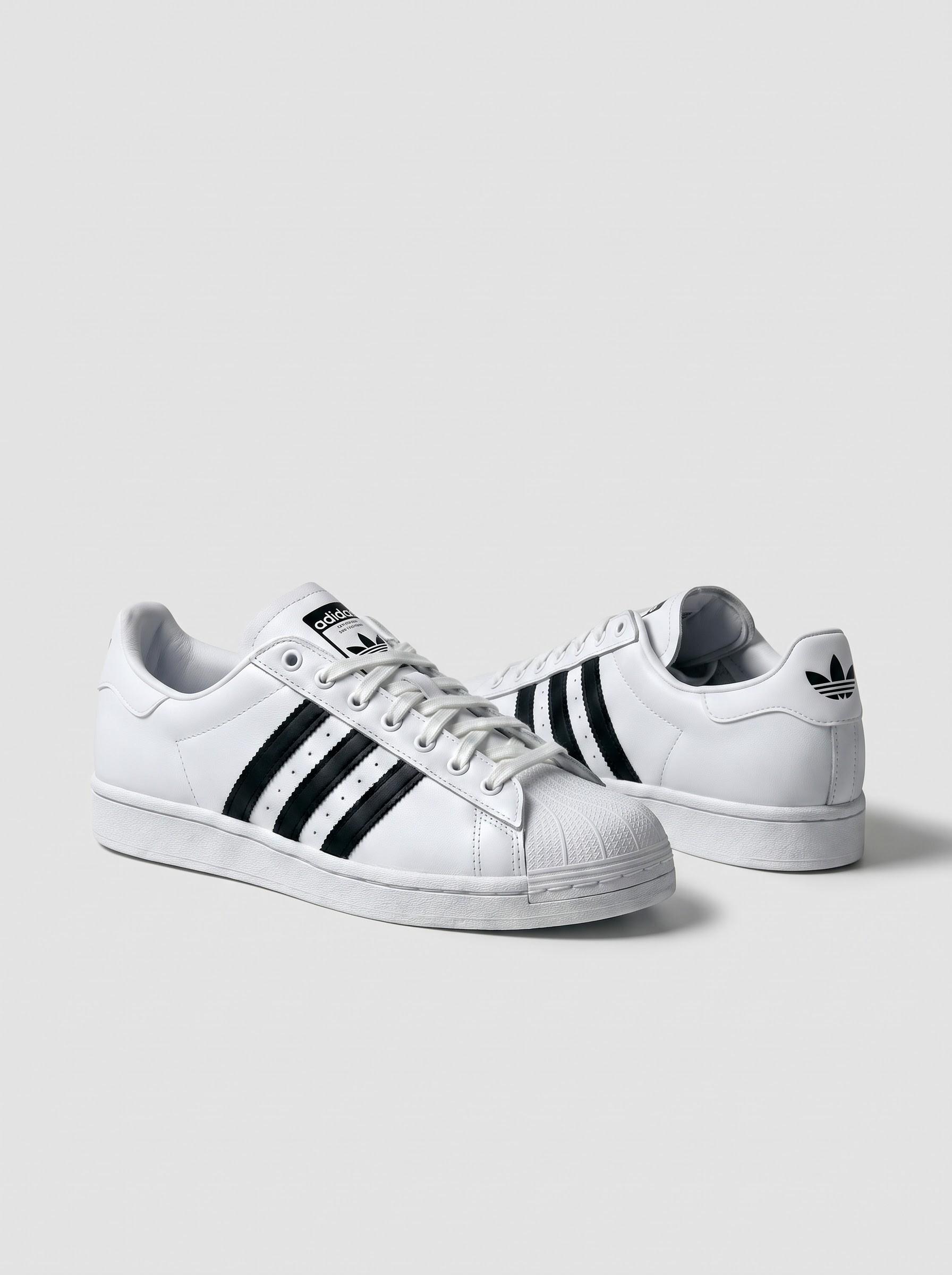
If you attempt to generate your brand's specific sneaker using only a text prompt, the AI will invent stitch patterns, alter the sole geometry, and mess up the logo. Therefore, commercial AI workflows must be hybrid. They must start with a traditional photograph of the product to lock in physical truth, and use AI solely to generate the surrounding context (backgrounds, props, or lifestyle models).
The Hidden Impact of Visuals on Customer Trust
In modern e-commerce, customer trust is almost entirely mediated through a screen. When a shopper lands on a digital storefront, they cannot touch the fabric, feel the weight of the hardware, or try on the garment to see how it drapes. Their entire perception of your brand's quality, reliability, and value is projected through the pixels you present to them. Studies have consistently shown that consumers equate the quality of a product's photography directly with the quality of the product itself.
If a product image is poorly lit, slightly out of focus, or inconsistently scaled compared to the rest of the catalog, cognitive friction occurs. The customer unconsciously begins to question the legitimacy of the brand. "If they cut corners on their photography, where else are they cutting corners?" they might think. This doubt is the enemy of conversion. High-quality, consistent visuals act as a surrogate for the physical retail experience, offering reassurance and clarity.
Furthermore, high-fidelity imagery reduces return rates—a massive hidden cost in e-commerce. When a customer can zoom in and clearly see the weave of a fabric or the exact shade of a leather dye, their expectations are correctly set before the transaction. They know exactly what they are buying, which means they are far less likely to return the item citing "Item not as described" or "Color differs from photo." Investing in visual assets is not just a marketing expense; it is a critical operational optimization that directly impacts the bottom line.
Brand Identity and Visual Dilution
A subtler risk of adopting AI is the homogenization of brand identity. AI models tend to regress toward the mean of their training data. If ten competing skincare brands all use the same software to generate "product on a minimalist marble podium with soft sunlight," their imagery will become indistinguishable.
To maintain a unique visual identity, brands cannot rely on default prompts. They must invest in training custom AI models (LoRAs or fine-tunes) on their own proprietary photographic archives, ensuring the AI generates outputs that align with their specific aesthetic DNA, lighting style, and color palettes.
Copyright and Licensing Realities
The legal landscape surrounding generative AI is fluid, but a general consensus is emerging across global copyright offices: imagery generated entirely by an AI without significant human authorship cannot be copyrighted.
For brands, this poses a strategic question. If you generate a stunning lifestyle campaign entirely via text prompts, a competitor could theoretically download that image and use it legally, as you hold no copyright over the generated pixels.
This reinforces the necessity of the hybrid approach. When a brand takes a proprietary, copyrighted studio photograph of their product, and uses AI merely as an advanced compositing tool (similar to using Photoshop's content-aware fill on a background), the resulting composite typically retains strong intellectual property protections centered around the original photographic asset.
Conclusion: The Pragmatic Approach
AI product imagery should be viewed as an evolutionary upgrade to post-production, not a replacement for capturing physical truth. Brands that succeed will be those that establish strict guardrails for product accuracy, invest in custom models to protect their visual identity, and utilize AI to scale variations of authentic assets rather than attempting to generate reality from scratch.